International Journal of Controversial Discussions Issue Volume #3 Issue # 2


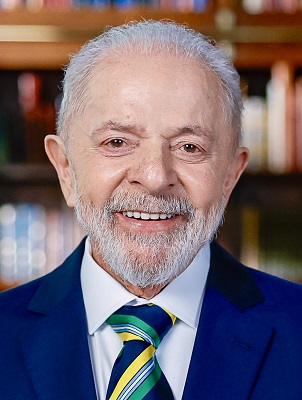
Click Here to Read: and Listen to Henry Winkler’s Emerson Commencement Speech Is One of the Best We’ve Ever Heard. The actor (and fishing maven) shared wisdom and Jewish jokes with the Class of 2026 By Lior Zaltzman on the Kveller website on May 13, 2026.
Image: Angela George at https://www.flickr.com/photos/sharongraphics/. Public Domain via Wikimedia Commons.

Click Here to Read: The first sauropod dinosaur from the Lower Cretaceous Khok Kruat Formation of Thailand enriches the diversity of somphospondylan titanosauriforms in southeast Asia byThitiwoot Sethapanichsakul, Sasa-On Khansubha, Sita Manitkoon, Rattanaphorn Hanta, Philip D. Mannion &
Paul Upchurch Scientific Reports volume 16, Article number: 12467 (2026).
Click Here to Purchase: Leo the Lion and the Kangaroos from IPBooks.net
The first publication of its kind, Leo the Lion and the Kangaroos is a short, imaginative, and practical book. The book is based on the heart-felt film, The Kangaroo Complex by Dr. Sarah Moon Howe. Kerin Bellak-Adams says her book “offers simple solutions to complicated problems.” The reader will be inspired to think creatively about the gifts and abilities of verbal and/or non-verbal individuals with Autism. The book’s theme offers a lighthearted, gentle and positive spin through a dialogue between Leo the Lion (the nickname of Dr. Leopold Bellak) and the other characters in the story.
Leo the Lion and the Kangaroos can be utilized with a range of approaches. This includes bedtime stories, elementary or high school library programs, and in group or individual settings led by a psychologist or neuropsychologist. It can also be used for undergraduate and graduate research with or without the CAT assessment (Children’s Apperception Test), which is a globally used clinical personality assessment.
Leo the Lion and the Kangaroos is a book that both children and adults will enjoy over and over again, and that it inspires everyone to pursue their dreams and or interests.

ClicK Here to Read: A Response to Richard Tuch’s “Male Grievance, Misogyny, and the Rise of Toxic Masculinity” A recent (3/12/26) post on the Substack of “The American Psychoanalyst,” a publication of APsA, evoked this from me…
by Jamey Hecht on his Substack on May 10, 2026.
Image: Sarahmirk. Public Domain via Wikimedia Commons.